Room to bloom: Overcoming a difficult pregnancy
Halima Amjid faced a difficult pregnancy with second child, Mikhail. With constant sickness, along with worries about her baby’s progress, Halima Amjid, 26, a healthcare scientist from Canterbury, started to withdraw from everyday life during her pregnancy.
She stopped doing the school run with her older son Mohsin, struggled to go to work and was overwhelmed by guilt and exhaustion. “I was tearful all the time,” Halima recalled. “I felt sick, tired and anxious. I worried constantly that I wasn’t doing enough for my family.”
Halima’s midwife referred her to the Family Partnership Programme (FPP) an enhanced support service run by Kent Community Health NHS Foundation Trust’s Health Visiting Service.
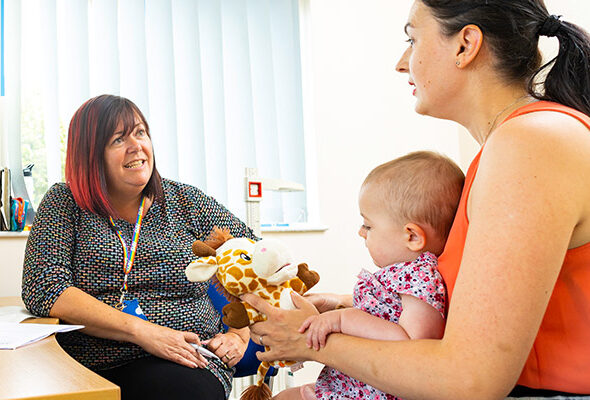
The programme supports families during pregnancy and the first year of a child’s life, helping parents build confidence, strengthen relationships and make positive lifestyle choices. From 28 weeks into her pregnancy, Halima began meeting regularly with Family Partnership Practice Lead Sara Oliver.
 Halima had experienced postnatal depression and feelings of isolation after the birth of her first child and later faced challenges conceiving a second child. When she finally became pregnant with Mikhail, the joy was overshadowed by anxiety and severe morning sickness.
Opening up wasn’t easy, but Sara’s
warmth and understanding helped Halima feel safe and heard. Together, they explored Halima’s thoughts and feelings, setting small, achievable goals, including being able to take her son to school again, which helped her begin managing her anxiety.
Sara showed Halima that her feelings were valid and recovery was possible. After Mikhail was born, Halima and Sara used a technique called video interaction
guidance. Sara recorded short clips of Halima interacting with Mikhail and they watched these together.
 Sara explains: “Watching the videos allows parents to see the connection they have with their baby for themselves. The impact was immediate for Halima.” Halima said: “I saw how my son looks at me, he really loves me. I always felt like I wasn’t doing enough but he’s so happy and content. I realised I’m enough for him.”
Through emotional wellbeing support sessions, practical strategies like cognitive behavioural therapy (CBT) and behavioural activation, Halima learned to manage her anxiety and reconnect with joy.
CBT helps people understand and change patterns of thinking and behaviour to improve mental wellbeing. Behavioural activation therapy means celebrating more small wins, such as visiting baby groups, going to the park and talking openly with her husband about her mental health.
Sara added: “It has been so encouraging to work alongside Halima and see her determination to take control of her anxiety and emerge as a woman who has self-belief and finds joy in being a mother.”
Halima is now thriving, taking Mikhail to baby groups, enjoying his sociable nature and constant babbling, as she continues to build her confidence as a mum. Halima said: “My husband said he’s never seen me so happy, which is amazing. Sara helped me believe in myself again and that I am enough for my children.”
Around one-in-five women and one in-10 men experience a mental health problem during pregnancy or in the first year after birth. These feelings are not a sign of weakness. Becoming a parent is a big change and the emotional
and physical adjustments can feel overwhelming. Many parents feel
pressure to appear happy, which can make it harder to speak up, but these challenges are treatable.
If you are struggling, reach out for support from your GP or health visitor. They will listen without judgement and guide you to the right help. Talking about how you feel is the first step towards recovery and early help can make a real difference for you and your baby.
The Family Partnership Programme is designed to support families with additional needs during pregnancy and the first year of a child’s life. A midwife or another health or social care professional can refer you using the children’s public health service referral form. You can also contact your midwife or local health visiting team to find out more, or to check your eligibility.
You can find your local team’s contact details at Kent Baby